
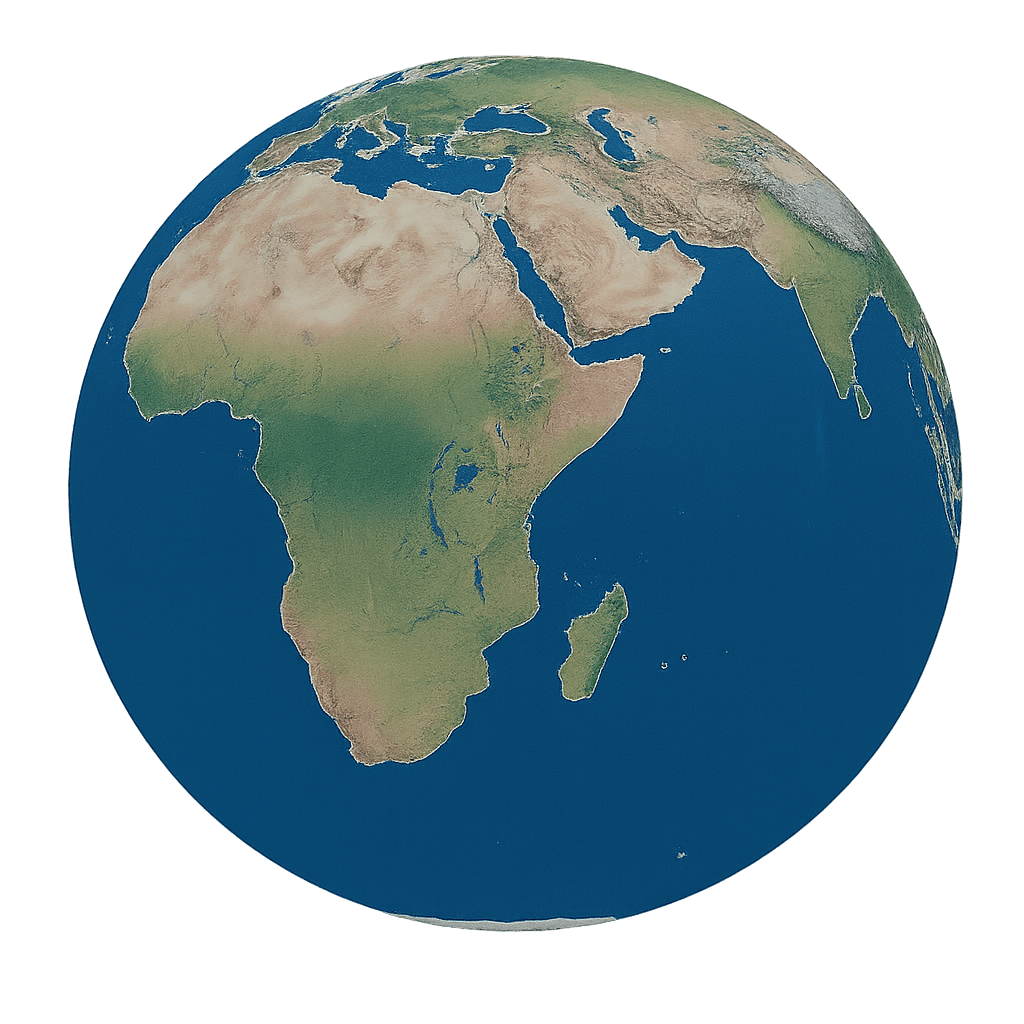
Harvest Access: West Bank olive growers face another season of settler attacks and restrictions, while farmers in southern Lebanon struggle to reach groves amid security risks. About 53% of farmland in southern Lebanon and Nabatieh was inaccessible at some point. Water & Irrigation: Nearly 6 million cubic metres of wastewater enter Iraq’s Tigris and Euphrates daily, threatening water used for agriculture as drought shrinks river flows. Egypt and ICARDA are advancing solar irrigation and desalination projects to address water scarcity. Farm Investment & Trade: UAE-based Elite Agro plans an eighth Moroccan farm in a $38 million project. Türkiye’s agricultural exports hit a record in January–September, while Iraq suspended poultry and egg tariffs amid food-price pressure.
AGP Executive Report
Your go-to archive of top headlines, summarized for quick and easy reading.
Note: AI summary from news headlines; neutral sources weighted more to help reduce bias in the result. Feedback is welcome. Please let us know if you have any comments or suggestions about the AGP Executive Report.
Food Prices: The FAO food price index climbed 1.5% in September to its highest level since November 2022, with cereals up 5.1% in a month. Disruptions around the Strait of Hormuz and Black Sea, alongside drought, are raising risks for import-dependent countries. Jordan’s Water Stress: El Niño may affect Jordan indirectly through atmospheric patterns, experts warn. Nearly 90% of the country gets under 200 millimetres of rain a year, and rangeland productivity has halved since 1990. West Bank Harvest: Israeli military preparations for the olive harvest come amid reports of settler violence and clashes, threatening farmers’ access to crops and land. Egypt’s Agriculture: Egypt and ICARDA are seeking to expand solar irrigation and desalination projects, while a date-processing complex is planned for New Valley. Iraq’s Farm Sector: A new initiative aims to strengthen farm management as the country faces mounting food and economic pressures.
Iraq’s Dairy Sector: The government, FAO and World Bank have launched a project to improve farm management and dairy value chains, with a focus on productivity, climate resilience and new ways for farmers to bring milk to market. West Bank Farms: Forty-seven Palestinian families in Ras al-Ahmar face an eviction ultimatum after weeks of road closures cut off their community, raising fresh fears for livelihoods and access to farmland. Egyptian Investment: Egypt and ICARDA are seeking to expand solar-powered irrigation and desalination, while a new date-processing complex is planned for the New Valley. Türkiye’s Wild Rosehips: Researchers in Tunceli found wide differences in vitamin C and antioxidant levels among wild rosehip plants, highlighting potential for crop breeding and the value of preserving local genetic diversity.
Food Investment: Abu Dhabi’s Global Food Week closed with 97 agreements worth $1.88 billion, up 5% on last year, as the UAE seeks to deepen cooperation across food and agriculture. Women in Agriculture: Emirati farmer Khadija Darwish Alqubaisi was named among FAO’s 100 women agrifood leaders, recognising her work in sustainable farming and mentoring young people. Regional Trade: Egypt and Malaysia agreed to expand cooperation in agriculture and food industries as they elevate ties to a strategic partnership; a joint commission is planned for early next year. Farm Exports: Türkiye’s agricultural exports hit a record for January–September, while Armenia plans regular air-cargo shipments of farm products to the UAE from November. Olive Harvest: Palestinian farmers in the West Bank face growing barriers to reaching their groves, with settler attacks and damage to trees disrupting the harvest.

Fuel Costs: Washington’s deal to import Russian diesel aims to ease record prices driven partly by Middle East supply disruptions, but analysts doubt the shipments will bring quick relief. High fuel costs threaten farmers and food transport across markets. Palestinian Olive Harvest: Farmers face settler attacks and restricted access to groves as the harvest begins; Gaza has also lost more than a million olive trees during the war. Women in Agriculture: Emirati farmer Khadija Alqubaisi has been named among the FAO’s 100 women farmers, recognizing the region’s agricultural leadership. Climate and Trade: Iraq has launched updated climate targets tied to water security and resilience, while Armenia plans regular air-cargo shipments of agricultural products to the UAE from November. Türkiye also reported record agricultural exports for January–September.
Women in Agriculture: FAO named Emirati farmer Khadija Darwish Alqubaisi among 100 women recognized for advancing sustainable farming and women’s participation in agrifood. Turkish Exports: Türkiye’s agricultural exports reached a record high in January–September, while a new shipping route is set to support apple and citrus sales. Iraq’s Farming Plans: Baghdad opened a plant genetic resources bank and approved its 2026/27 winter agricultural plan. Food Security: UAE producers and retailers are adapting to the Iran war’s supply-chain disruption, while Al Ain Farms and Al Dahra are strengthening the country’s dairy supply chain. Olive Harvest: Palestinian farmers face fresh threats during the West Bank harvest; reports describe settler attacks on harvesters, including a farmer killed and a photographer assaulted.
Iraq’s Winter Plan: The Cabinet approved a 2026/27 plan targeting wheat purchases of up to 4 million tonnes, with subsidised seed and pesticides and a temporary suspension of the extra duty on imported urea. Seed Security: Iraq also inaugurated a rehabilitated plant genetic resources bank in Baghdad to support crop conservation, research and climate resilience. Regional Cooperation: Pakistan and Bahrain agreed to expand work on agriculture and food security through joint working groups. The UAE, meanwhile, is looking abroad for food supplies as Elite Agro unveils a $180 million investment push. Palestinian Olive Harvest: Reports say Israeli settlers have attacked farmers and taken olives as the harvest season begins. Water and Livestock: Egypt is linking crop forecasts with irrigation schedules to improve water allocation, while Saudi poultry production has topped 1.4 million tonnes, with self-sufficiency above 80%.
Regional Water Security: Central Asian states agreed on water distribution and reservoir operations for 2026–27, a key step for irrigation planning across the Amu Darya and Syr Darya basins. Trade and Food Security: Pakistan and Bahrain will deepen cooperation on agriculture and food security as they set up joint working groups and seek to expand bilateral trade. Livestock: Saudi poultry output has topped 1.4 million tonnes, with domestic production meeting more than 80% of demand. Investment: EAG announced Dh660 million in agricultural investments across the UAE, Morocco and Mauritania, while Growtech Middle East is set to bring the industry together in Dubai with the UAE National Agriculture Centre as a government partner. Produce Markets: Egypt is seeking wider market access for fresh produce exports. Olive Harvest: Settler attacks on Palestinian farmers are adding to risks during the West Bank olive harvest, with reports of injuries and damage to trees.
West Bank Olive Harvest: Palestinian farmers face attacks and access restrictions as the olive harvest gets underway, with reports of a farmer killed and crops damaged. Gaza Food Security: The UN’s food agency warns that 1.2 million Palestinians face a serious food crisis, while years of war have left farmland and essential services devastated. Agricultural Investment: The UAE announced Dhs660 million in agricultural investments across the UAE, Morocco and Mauritania; Qatar and Iraq also agreed to establish a joint business council covering cooperation in agriculture. Trade and Water: Saudi Arabia remains the world’s leading date exporter but has tightened fruit and vegetable import rules. Egypt is seeking wider markets for fresh produce, while Kuwait’s water-security talks underscored the need for stronger regional cooperation and resilient supplies.
Olive Harvest Under Attack: A Palestinian farmer was killed and others wounded in a settler attack on harvesters near Nablus, as violence and restrictions threaten the West Bank’s olive season. Food Security: FAO called for urgent investment to protect production across the Near East and North Africa as regional crises deepen. Gaza’s Farmland: Satellite imagery shows destruction continuing across the enclave, while displaced farmers are trying to recover roots and grow food among the ruins. Water and Climate: Heat-driven snow droughts are affecting 15 basins in Türkiye; Egypt is linking crop forecasts with irrigation schedules to improve water allocation. Regional Markets: Saudi Arabia tightened fruit and vegetable import rules as it retained its position as the world’s leading date exporter. Crop Threats: Red palm weevil is endangering Iraq’s date groves, a key agricultural resource. UAE Agriculture: Abu Dhabi’s Dates Exhibition opened with 95 pavilions, while the UAE National Agriculture Centre partnered with Growtech Middle East.
El Niño and energy stress: Philippines’ Energy Secretary Sharon Garin warned super El Niño could push higher power rates and more outages, with 106 localities under calamity as drought boosts electricity demand and Middle East-linked oil price spikes already strain consumers. Syria–Saudi reconstruction push: Syrian President Ahmad al-Sharaa met Saudi Crown Prince Mohammed bin Salman in Riyadh to discuss reconstruction plans and attract “qualitative” Saudi investment across energy, construction, industry, agriculture and trade. Yemen security stance: Saudi Cabinet reaffirmed support for Yemen’s legitimate leadership, saying the Houthi militia chose escalation over peace, while threatening Red Sea navigation. Pakistan beekeeping upgrade: Pakistan inaugurated its first high-tech automatic beeswax foundation sheet unit at NARC to modernize beekeeping, improve wax quality and support crop pollination and food security. Kuwait border bust: Kuwait seized 53,314 cartons of cigarettes hidden in a shipment falsely declared as aluminum plates, arresting Syrian and Yemeni suspects linked to customs clearance and an agricultural holding. Diesel relief debate for farmers: US moves to broaden access to tax-free red-dyed diesel for highway use, but farmers worry about limited availability and lingering dye residue that could trigger future penalties. Corn import plan: Philippines’ agriculture department proposed more than doubling corn imports under its MAV quota to protect hog and poultry feed supplies as El Niño threatens output and prices.
Feed-cost pressure in the Middle East-linked supply chain: The Philippines’ agriculture ministry is proposing to more than double corn imports under its MAV quota to 500,000 tonnes (from 220,000) as El Niño threatens output and pushes feed prices higher—an issue that directly hits hog and poultry farmers where feed can be 50–60% of production costs. Diesel relief debate with knock-on effects for farmers: In South Africa, ATM leader Vuyo Zungula is urging a review of fuel-pricing levies, arguing tax formula changes could cut pump rates by up to R6/litre, after fuel hikes fed into broader food and transport costs. Local poultry quality push in the Gulf: Abu Dhabi launched a Premium Food Mark for locally produced chilled chicken, setting higher standards across the poultry value chain from farming and feed through slaughter, processing, packaging and distribution. Trade and logistics risks for agri-exports: Black Sea drone attacks are rising, threatening agricultural shipping routes and potentially lifting freight costs for major exporters Russia and Ukraine. Fuel-price politics spilling into rural economies: US moves to ease tax rules on red-dyed diesel are being framed as a way to lower costs for truckers and farm operations, amid election-year pressure. Palestinian olive harvest under strain: Reports highlight continued West Bank attacks and olive-tree damage as harvest season approaches, raising urgent protection concerns for farmers.
Diesel Relief for Farmers: US President Donald Trump signed an executive order to expand access to tax-exempt “red dye” diesel by loosening off-road limits, aiming to cut costs for farmers, truckers and other diesel-dependent businesses ahead of the November midterms. Middle East Energy Spillover: Oil prices eased as Middle East crude exports and refined product flows recovered toward pre-war levels, though markets remain sensitive to Hormuz shipping risks and refinery disruptions. Iraq Stimulus Includes Farm Dues: Iraq approved a $2.7bn economic stimulus package that includes clearing agricultural dues and funding housing, industrial lending and contractor payments. Livestock Export Push: Pakistan’s PM approved a plan to boost livestock exports by importing high-yield breeds for duty-free specialized farms, with sector reforms and disease-eradication targets. Research for Greener Crop Protection: Iranian scientists used Madagascar periwinkle extracts to produce iron oxide and zinc oxide nanoparticles that strengthen plant defenses and inhibit bacteria. Agriculture Under Conflict Pressure: UN-linked reporting highlights Gaza’s environmental damage after years of war, with crop and tree losses compounding food insecurity. Regional Trade/Logistics Watch: Germany and Russia reopened diplomatic channels at the UN, including discussion of resuming Black Sea grain and energy exports—key routes for Middle East-linked food supply.
West Bank olive harvest under pressure: A Palestinian was killed and two injured in West Bank gunfire near Bani Naim, as raids and settler attacks intensify during the olive season; separate reports also describe Israeli forces demolishing a Birzeit University memorial and arresting Palestinians, with widespread damage to agricultural land including olive trees. Jordan olive oil fraud warning: Jordan’s farmers union urged shoppers to buy olive oil only from trusted sources, warning of fake “freshly pressed” sales and repackaged Tunisian oil, with calls for tighter monitoring and regulation around harvest-time prices. Cambodia climate risk insurance: Cambodia’s agriculture ministry is considering crop insurance for farmers in its Modern Agricultural Community program, aiming to better protect rice, cashews, pepper and vegetables as droughts, floods and heat become harder to predict. Energy shocks hitting farm costs: With Brent above $100 and diesel tightness linked to shipping and logistics disruptions, the region’s fuel and transport costs remain a direct threat to food and farm operations; meanwhile, Yemen’s Bab al-Mandeb front and Hormuz-related fears keep markets jumpy. Maritime drone defence demand: Shipowners and oil and gas operators are increasing inquiries for anti-drone protection as attacks in the Red, Black and Persian Gulf disrupt routes and raise insurance and idle-time risks. Global food trade spotlight: UAE’s Global Food Week 2026 in Abu Dhabi is set to expand with a focus on food security and industrial cooperation, drawing buyers and investors from dozens of countries.
Middle East Farm Risk: Iraq’s date groves are facing a fast-rising threat from the red palm weevil, with Najaf teams surveying orchards, setting pheromone traps and treating infected trees to stop isolated outbreaks spreading. Iraq Economic Support for Agriculture: Iraqi PM Ali Al-Zaidi ordered five economic measures worth at least $2.67B, including 500 billion dinars for overdue farmers’ payments, alongside liquidity for banks and contractor dues. Saudi Import Controls: Saudi Arabia tightened fruit and vegetable import rules, requiring import approval before shipments, a 15-day permit validity, and stricter pesticide/quarantine compliance with full documentation. Regional Water & Food Security: Egypt and Senegal discussed bilateral ties while Egypt’s Nile position remains central in regional talks, as leaders push for cooperation amid food and water pressures. Agri-Trade & Value Chains: Sterling Bank (Nigeria) is targeting a $300m pipeline to finance processing, logistics and storage—aiming to move beyond farm production into higher-value agribusiness. Conflict Pressure on Rural Land: Syria condemned Israel’s “Sufa 53” excavation work near the Golan buffer line, warning it violates the 1974 disengagement agreement—another reminder of how instability can disrupt land and livelihoods.
West Bank Agri Under Pressure: Israeli forces and settlers escalated raids, arrests, restrictions and olive theft as the harvest season began, including reports of olive groves burned and farmers blocked from harvesting. Settlement Plan Watch: A Palestinian monitoring body says Israel is pushing a “massive settlement plan” around Al-Mughayyir, aiming to clear farmers and herders east of the Allon Road to tighten settlement contiguity. Crossing Closures: Israel decided to close West Bank and Gaza crossings on Oct 5 and 7, with limited exceptions—raising new movement and access risks for rural communities. Fuel Cost Shock for Farmers: G7 countries agreed to release 100m barrels of diesel and crude from reserves to ease price spikes tied to the Iran war, after diesel shortages squeezed farm margins across multiple markets. Egypt–Africa Agri Cooperation: Egypt used the Alamein Africa Forum to push wider cooperation with Senegal, South Africa, Equatorial Guinea and Chad, including agriculture and irrigation networks. Input Integrity in Jordan Valley: Jordan Valley farmers called for price controls and tighter checks on agri-inputs, warning that unverified fertilizers and pesticides can damage yields and long-term soil fertility. Saudi Poultry Sector Push: Middle East Poultry Expo 2026 opened in Riyadh, spotlighting feed, animal health and supply-chain investment for regional food security. Regional Water Stress: Egypt’s Nile-water concerns and broader water scarcity themes featured in summit discussions, with leaders framing water as a development and farming lifeline. Diesel + Refining Bottlenecks: Coverage highlighted why record crude output doesn’t automatically translate into cheaper diesel—refining capacity and inventories are the pinch point. Venezuela Corn Expansion: Anzoátegui reported 22,000 hectares under cereals and a projected 78,000+ tons of white and yellow corn for Winter 2026, alongside growth in other crops and livestock.
West Bank Olive Harvest Under Fire: Israeli forces and settlers attacked Palestinian farmers as the olive season began, including arrests and the seizure of a truck loaded with bananas in Tubas, while other reports describe farmers being blocked, beaten, and injured across multiple West Bank areas. Diesel Relief for Food and Farming: G7 leaders agreed to release up to 100 million barrels of diesel and crude from strategic reserves over four months, with major diesel volumes expected within 20 days, aiming to ease fuel-price pressure tied to Middle East disruptions. Egypt Water Smarter for Crops: Egypt is linking a digital crop-forecasting tool to its irrigation rotation system so engineers can plan canal water delivery more precisely, with farmers able to receive real-time irrigation schedule notifications. Saudi Dates Keep Winning: Saudi Arabia retained the top spot in global date exports by value for a fourth straight year, with exports reaching SAR1.938bn and production topping 1.9m tonnes. Global Grain Watch: Euronext wheat rose on hopes of Saudi demand after the euro’s slide, while traders flagged Black Sea disruptions as a key risk for export flows.
West Bank Olive Harvest Under Fire: Israeli settlers, protected by forces, attacked olive harvesters and burned trees in Abu Dis, Osarin and Beita areas, with Palestinians and journalists reported injured and detained—raising fears of crop losses during peak harvest. Fuel Price Shock Hits Farms: G7 nations agreed to release 100 million barrels of oil and diesel, with a frontloaded diesel push, after Iran-war-linked supply strains drove diesel to record highs—pressuring farm operations and food transport costs. Iraq Water for Irrigation: Iraq’s Haditha Dam storage rose above 6bn cubic meters as Euphrates flows stayed within safe limits; authorities plan diversions to rebuild reserves to support a larger winter crop plan. Jordan Export Paperwork Boost: Amman Chamber of Commerce certificates of origin rose 20.7% to JD1.188bn in nine months, with agricultural exports included among the mix. Egypt Africa Trade Push: President Sisi opened the Alamein Africa Forum calling for more intra-African trade and private-sector-led investment, linking stability to farmers’ ability to operate. Syria Power Disruption: A gas pipeline explosion near Tishreen Thermal Power Plant forced three major power stations offline, worsening electricity rationing and outages.
Diesel squeeze hits farms: The Middle East war-linked fuel shock is feeding into record diesel prices and renewed pressure on Europe to release emergency reserves, with the EU weighing a French proposal to draw down diesel and crude while the US threatens possible diesel export curbs—an issue that directly raises transport and farm input costs. EU farm margins under pressure: Eurostat reports EU agricultural output prices fell for a third straight quarter in Q2 2026 (down 5.8% year-on-year) while energy and fertiliser costs rose (energy +22%, fertilisers +13.4%), squeezing profitability. Palestinian olive harvest disrupted: Israeli forces and settlers carried out 2,051 attacks in September, including raids that injured a Palestinian farmer during olive farm access restrictions; farmers warn olive oil output could drop sharply. Kurdistan soil revival: In Iraq’s Kurdistan Region, young entrepreneurs launched the first vermicompost plant to tackle salinized, degraded farmland using earthworm-based biofertilisers. Ladakh saffron experiment: India’s Ladakh is testing large-scale saffron cultivation using Iranian corms on rejuvenated land to diversify livelihoods. Food security risk for women: UN Women analysis warns the Middle East escalation could push an additional 11.7 million women and girls into food insecurity by end-2026, with South Sudan facing the highest proportional risk.
Diesel shock hits farms: With Middle East-linked supply worries keeping diesel elevated, the US and Europe are weighing emergency steps, including possible wider use of red-dyed diesel and pressure on the EU to release reserve stocks; analysts warn this may not fix the underlying shortage. Policy response pressure: Trump floated asking Europe to release diesel reserves while the White House considers options like export limits, as farmers report harvest costs jumping sharply. Pakistan wheat support: Pakistan’s food security ministry and lawmakers pushed for a higher Rabi wheat procurement price, urging wheat MSP at Rs 5,000/40kg and earlier policy announcements to help farmers plan. Inflation watch: South Korea’s September inflation eased back to the 2% range as agricultural prices fell, even while petroleum costs stayed high. Agribusiness expansion: Angola’s Fazenda Mungo says it is building avocado capacity for export, supported by credit from the Credit Guarantee Fund. Security spillover: UK arrests tied to a foiled plot near RAF Fairford kept Iran-linked questions in the headlines, underscoring how regional tensions ripple into energy and food costs.
Sign up for:
Middle East Agriculture Review
The daily local news briefing you can trust. Every day. Subscribe now.
Check Your Email!
We sent a one-time activation link to: .
Confirm it's you by clicking the email link.
If the email is not in your inbox, check spam or try again.
Welcome back!
is already signed up. Check your inbox for updates.